Your Cart is Empty
Start shopping

Polynucleotides
(14 products)
Buy polynucleotides from Doctor Medica’s wholesale catalog of professional PDRN and PN injectables for skin regeneration, under-eye rejuvenation, scalp treatment, and post-procedure repair. The range includes formulations with different concentrations and intended applications, allowing practitioners to select products according to their clinical requirements. Licensed practitioners can buy polynucleotides online at wholesale, with verified authenticity and LOT-number traceability on every unit. Browse the complete product grid below to order polynucleotides for your practice.
Filters
Category
Brand
Price Range
$
$






What Are Polynucleotides? The Science of PDRN and PN Injectables
Polynucleotide injectables contain purified DNA-derived fragments, commonly obtained from salmon or trout, and are used in aesthetic medicine to support skin-quality treatments. Trained medical practitioners use selected formulations for facial rejuvenation, under-eye concerns, scars, and other applications, following product-specific guidance. Research suggests that these products may support tissue repair and improve skin texture and elasticity, although outcomes vary by formulation and indication. Unlike conventional volumizing fillers, their primary purpose is to improve skin quality rather than restore structural volume.
PDRN generally refers to shorter DNA fragments studied for tissue-repair and anti-inflammatory activity, including pathways associated with adenosine A2A receptor signaling. PN formulations typically contain longer DNA chains and may differ in viscosity, tissue distribution, and residence time. These distinctions can influence formulation selection when clinics compare polynucleotides products and order polynucleotides online, but they do not establish that one category is clinically superior. A double-stranded DNA molecule consists of two polynucleotide strands; PDRN and PN injectables contain processed DNA-derived material rather than intact cellular DNA. Clinical effects depend on the specific formulation, treatment area, and supporting evidence. [1][3][4]
Polynucleotides vs Skin Boosters and Mesotherapy — What’s the Difference?
Polynucleotides, hyaluronic acid skin boosters, and mesotherapy products can all improve skin quality, but they work through different mechanisms.
Polynucleotide treatments are regenerative and biostimulatory. Their main role is to support fibroblast function, tissue repair, extracellular matrix renewal, and collagen and elastin production at the cellular level. They are not intended to behave like conventional dermal fillers and generally do not provide structural projection, a distinction clinics should consider when they order polynucleotides wholesale.
HA-based injectable skin boosters act primarily by binding water. Hyaluronic acid attracts and retains moisture, improving hydration, elasticity, and surface smoothness. Some products may provide subtle tissue support, but hydration remains the defining mechanism.
Mesotherapy is a delivery method, not an ingredient class. A mesotherapy cocktail may contain vitamins, amino acids, peptides, enzymes, plant extracts, non-crosslinked HA, or lipolytic compounds. Its effects depend on the ingredients chosen and the depth at which they are delivered.
Microneedling and platelet-rich plasma (PRP) offer two other approaches to skin-quality treatment. Microneedling initiates a repair response through controlled skin injury, while PRP uses a patient’s own platelet preparation. PN and PDRN injectables have different formulation characteristics and proposed biological effects, so treatment selection should depend on the intended outcome and supporting evidence.
Practitioners building a broader injectable portfolio can also buy dermal fillers online for cases requiring projection, contour, or structural volume rather than regenerative skin-quality treatment. FDA guidance distinguishes approved filler materials by their specific composition and authorized treatment indication; PN and PDRN products should not be automatically classified or promoted as approved volumizing fillers. [5]
Types of Polynucleotides — PDRN, PN, and Korean Polynucleotides
Polynucleotide products differ in molecular weight, chain length, concentration, viscosity, and carrier formulation. These factors affect how the product spreads, how long it remains in the tissue, and where it may be used, considerations for clinics looking to buy polynucleotides wholesale.
- PDRN Injectables: Contain shorter DNA fragments associated with tissue repair, angiogenesis, inflammatory modulation, and recovery. They may be used for skin rejuvenation, under-eye treatment, scalp protocols, and post-procedure support. [3][4]
- PN Injectables: Typically contain longer DNA chains, although viscosity and tissue persistence depend on the individual formulation. Depending on their intended indications, these products may be used in skin-quality treatments for the face, neck, décolletage, and hands.
- Korean Polynucleotides: Products manufactured in South Korea include formulations developed for facial, periocular, and scalp applications. Practitioners should compare product-specific evidence, concentration, purification standards, regulatory status, and traceability rather than assume that country of origin determines price or clinical performance.
Brands do not always use PDRN and PN labels consistently, so practitioners should check each product’s exact formulation and authorized indication rather than assume category equivalence.
Conditions Treated and Administration Areas
Polynucleotide treatments may be delivered across the under-eye area, face, neck, décolletage, hands, and scalp. For the under eyes, they can support hydration, elasticity, fine-line reduction, and overall skin quality without adding filler-like volume. In mild tear-trough presentations, they may improve the appearance of the overlying skin, but they cannot replace structural volume loss from skeletal change or depleted fat compartments. [2]
Across the face, neck, décolletage, and hands, PN and PDRN products may address rough texture, fine lines, reduced elasticity, photodamage, enlarged pores, and dullness. Scalp protocols use selected formulations to support tissue quality, microcirculation, and the follicular environment, although evidence for hair loss remains emerging. Polynucleotides may also be incorporated into post-procedure recovery after laser, microneedling, radiofrequency, peels, or surgery, depending on the product and protocol. [3]
Patients considering under-eye polynucleotide treatments may be concerned about crepey skin, fine lines, or hollow tear troughs. These concerns require different assessments: improving skin texture is not the same as restoring lost structural volume. This distinction helps guide product selection when clinics order polynucleotides.
Buy Polynucleotides by Brand and Formulation
At Doctor Medica, we carry European PN-HPT products and high-concentration polynucleotide gels for facial, periorbital, and scalp protocols. Each range is selected on the basis of its formulation and intended application, rather than treated as a generic substitute for another brand. Clinics can contact our team for polynucleotides price information for their selected products.
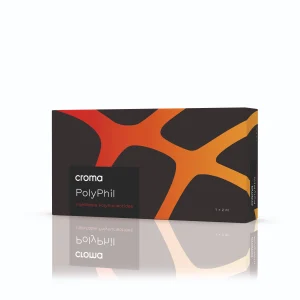
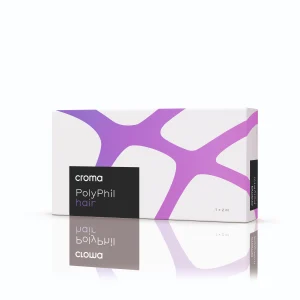
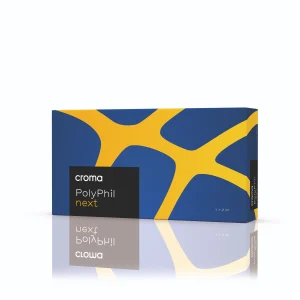
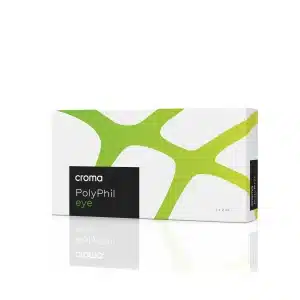
- CROMA: The POLYPHIL™ range includes formulations for facial skin-quality treatments, with dedicated EYE and HAIR products for more targeted applications. Clinics looking to buy CROMA can compare options based on their intended treatment areas.
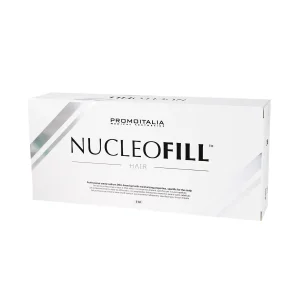
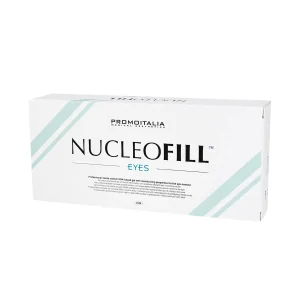
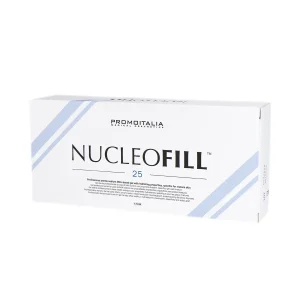
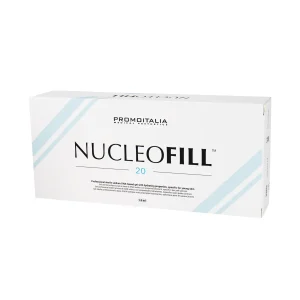
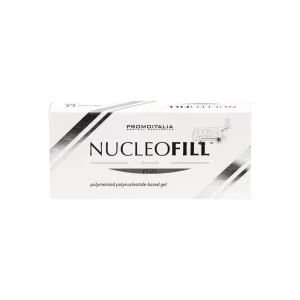
- NUCLEOFILL™: Before they buy NUCLEOFILL™, practitioners should compare the concentrations and intended applications of its polynucleotide gels. The range focuses on skin-quality improvement and bio-restructuring rather than conventional filler-style volume correction.
- PLINEST®: The PN-HPT portfolio includes specialized formulations such as EYE and FAST, alongside products for broader skin-quality protocols. Reviewing each formulation’s details can help practitioners choose the product that best suits their needs when they buy PLINEST®.
When clinics order polynucleotides wholesale, comparing concentration, syringe volume, intended treatment area, and manufacturer guidance can help them assess the clinical suitability of individual formulations. Check product listings and supporting documentation before selecting an SKU, rather than relying on brand name alone.
Dosage, Session Protocols, and Time to See Results
Polynucleotide treatment schedules vary by product, treatment area, and patient assessment. Some published protocols use two to four sessions spaced several weeks apart, but injection volume, technique, and maintenance intervals should follow the relevant manufacturer’s instructions and clinical guidance. Delicate areas such as the under eyes require particular attention to anatomical considerations and product suitability. [1]
Improvements in hydration, texture, and elasticity may develop gradually over several weeks. However, the available evidence does not establish a consistent six-to-twelve-month benefit duration across all PN and PDRN formulations. Pre- and post-treatment assessments should focus on changes in skin quality, using standardized photography and realistic expectations rather than assumptions about long-term volume correction.
Clinical Benefits of Polynucleotide Therapy
The central benefit of polynucleotide therapy is improved tissue quality without the primary goal of adding volume. By supporting fibroblast activity, extracellular matrix renewal, and regenerative signaling, PN and PDRN products may improve several visible features at once. [1][4]
Potential clinical benefits include:
- Progressive skin regeneration at a cellular level
- Improved elasticity, firmness, and hydration
- Smoother texture and greater luminosity
- Reduced appearance of wrinkles and fine lines
- Support for thin or crepey under-eye skin
- Improved appearance of selected scars and photodamage
- Tissue support following aesthetic procedures
- Improved scalp condition in selected hair protocols
Patients treated with polynucleotides should understand that improvements are generally gradual and differ from the immediate structural correction achieved with volumizing fillers. When the primary concern is skin texture or elasticity, PN or PDRN treatment may be considered according to the product and supporting evidence. Structural volume loss requires a separate assessment, and a different treatment approach may be more appropriate.
Clinical evidence supports promising outcomes in periorbital rejuvenation and broader PN-HPT aesthetic use. However, the literature remains smaller and less standardized than the evidence base for long-established injectable categories in aesthetic medicine. [1][2]
Legal Status and FDA Approval
There is no blanket regulatory approval covering all polynucleotide or PDRN injectables. Approval or conformity status applies to the individual product, its intended use, and the market in which it is supplied.
Many aesthetic PN and PDRN products are marketed as CE-marked medical devices in European and international markets. That status does not automatically authorize their use in the United States.
FDA authorization must be verified for each polynucleotide or PDRN product and its intended use. A product’s availability internationally, CE marking, or supporting clinical research does not establish FDA approval for aesthetic injection in the United States. The FDA’s information on approved dermal fillers illustrates why regulatory status and authorized indications must be evaluated at the individual product level. [5]
PDRN has been studied extensively in wound healing and tissue repair research. Even when evidence is favorable, authorization in one medical context does not create FDA approval for a separate aesthetic injectable product. [3]
Polynucleotide injections are not over-the-counter treatments. Doctor Medica supplies professional aesthetic injectables to verified licensed practitioners, and eligibility, importation, clinical use, and patient consent remain subject to local law. Practitioners who buy PDRN or order polynucleotides online must confirm each SKU’s regulatory status in their jurisdiction before use.
Storage and Shipping
Storage requirements vary among PN and PDRN formulations and should be verified against the manufacturer’s instructions for each product. Practitioners should confirm the permitted temperature range, protection from light, and transport conditions before placing or receiving an order. A storage requirement specified for one polynucleotide injectable should not be applied automatically to another product.
Products should remain in their original packaging, protected from direct sunlight and freezing. Clinics should inspect every shipping delivery for package damage, temperature compromise, expiry date, and matching LOT information. Use opened single-use syringes or vials immediately, and do not store them for another patient.
Clinics should document any suspected temperature excursions or shipment damage and contact the supplier before releasing affected products for clinical use.
Price of Polynucleotides
Polynucleotide injection costs vary by brand, concentration, syringe size, treatment area, and order quantity. Clinics should calculate the cost of the full treatment course, including product, consumables, practitioner time, and maintenance, rather than compare syringe prices alone.
Country of manufacture is not a reliable indicator of cost. Clinics should compare individual products, pack sizes, and applicable quantity discounts. Practitioners can review current unit and tier pricing in the product grid or contact Doctor Medica’s staff before placing larger wholesale orders.
Polynucleotides Side Effects and Safety
Common side effects include temporary redness, swelling, bruising, tenderness, itching, pinpoint bleeding, and small papules. Less common risks include infection, hypersensitivity, prolonged inflammation, nodules, asymmetry, and unsatisfactory results. Patients with known fish allergy require careful screening, because many PN and PDRN products are derived from purified salmon or trout DNA. [1][2]
Although serious vascular complications have not been prominent in the small published studies of aesthetic polynucleotide injections, the available evidence is insufficient to quantify their risk or establish that they are safer than volumizing fillers in this respect. Practitioners should assess vascular anatomy, injection technique, treatment depth, and product-specific precautions, and remain prepared to recognize and manage injection-related complications.
Patient screening should consider known hypersensitivity to the product or its biological source, active infection at the treatment site, pregnancy or breastfeeding, relevant medical conditions, current treatments, and medications that may increase bleeding or bruising risk. These factors are not universal contraindications for every PN or PDRN product; practitioners should consult the applicable instructions for use and assess patients individually. Published aesthetic studies generally report mild, temporary reactions, but their limited size and follow-up restrict conclusions about uncommon adverse events. [1][2]
Where to Buy Polynucleotides Online — Doctor Medica
Doctor Medica supplies PN and PDRN injectables directly to verified medical and aesthetic professionals. Practices can buy polynucleotides online from a wholesale catalog that includes products for facial rejuvenation, under-eye protocols, bio-restructuring, and hair applications.
Every purchasing decision should factor in more than unit price. We support procurement with authentic branded products, manufacturer packaging, LOT-number traceability, tiered wholesale pricing, and 15+ years of industry supply experience. Clinics that buy polynucleotides wholesale through Doctor Medica can compare CROMA, NUCLEOFILL™, and PLINEST® formulations within the same catalog.
Licensed practitioners can review PN and PDRN formulations in the product grid above and purchase polynucleotides online according to their clinical and purchasing requirements. Clinics preparing to purchase polynucleotides for larger patient volumes can contact Doctor Medica’s team to confirm pricing, availability, and product documentation.
Frequently Asked Questions
What are polynucleotides?
Polynucleotides are long-chain DNA fragments derived from purified DNA, usually extracted from salmon or trout. In aesthetic medicine, PDRN and PN injectables support tissue repair, skin regeneration, fibroblast activity, and collagen production at a cellular level.
How do polynucleotides work?
PDRN has been associated with adenosine A2A receptor signaling, cell proliferation, angiogenesis, and anti-inflammatory activity. Longer PN chains may also provide hydration and extracellular-matrix support while encouraging collagen and elastin production. They do not primarily work by adding volume.
What are polynucleotides used for?
Common applications cover the face, neck, décolletage, hands, under-eye region, scars, and scalp. Polynucleotides for the under-eye area may improve crepey texture and fine lines, while scalp PDRN is used in selected hair-loss protocols. Clinical results depend on the product and indication.
Do polynucleotides work?
Clinical studies report improvements in periorbital skin quality and support using highly purified PN formulations in aesthetic medicine. The evidence is promising, but products, protocols, study designs, and indications vary. Practitioners should avoid treating the entire category as if every formulation has identical evidence. [1][2]
How are polynucleotides different from skin boosters and mesotherapy?
Polynucleotides support biological repair and collagen production through DNA-derived regenerative mechanisms. HA skin boosters improve hydration by binding water. Mesotherapy delivers selected cocktails of vitamins, amino acids, peptides, HA, enzymes, or other ingredients. These three approaches may complement each other but work through distinct mechanisms.
How long do polynucleotides last?
Improvements may take several weeks to become noticeable, but their duration varies by product, treatment area, and patient response. Published studies provide encouraging short-term results, although longer-term evidence remains limited. Treatment intervals and maintenance plans should follow product-specific guidance and individual clinical assessment.
Are polynucleotides FDA approved?
There is no single FDA approval covering all PN or PDRN injectables. Regulatory status depends on the specific product, indication, and market. Practitioners should verify the applicable FDA records and labeling rather than assume that CE marking or international availability establishes authorization in the United States.
Can polynucleotides cause a vascular occlusion?
Vascular occlusion is a serious complication that practitioners should consider when performing injectable treatments. Available polynucleotide studies do not establish a reliable comparative risk against volumizing fillers. Safe administration requires detailed anatomical knowledge, appropriate product selection and injection technique, and readiness to recognize and manage complications.
Where can practitioners buy polynucleotides online?
Licensed professionals seeking to buy PDRN or PN injectables can review Doctor Medica’s wholesale catalog, check individual product documentation, and confirm LOT details before ordering.
For licensed medical professionals only. This content is for informational purposes only and does not constitute medical advice.
Citations and Resources
[1] Cavallini, Maurizio et al. “Consensus report on the use of PN-HPT™ (polynucleotides highly purified technology) in aesthetic medicine.” Journal of cosmetic dermatology vol. 20,3 (2021): 922-928. doi:10.1111/jocd.13679
[2] Lee, Ye Jin et al. “Comparison of the effects of polynucleotide and hyaluronic acid fillers on periocular rejuvenation: a randomized, double-blind, split-face trial.” The Journal of dermatological treatment vol. 33,1 (2022): 254-260. doi:10.1080/09546634.2020.1748857
[3] Colangelo, Maria T et al. “The effects of polydeoxyribonucleotide on wound healing and tissue regeneration: a systematic review of the literature.” Regenerative medicine, 10.2217/rme-2019-0118. 6 Aug. 2020, doi:10.2217/rme-2019-0118
[4] Veronesi, Francesca et al. “Polydeoxyribonucleotides (PDRNs) From Skin to Musculoskeletal Tissue Regeneration via Adenosine A2A Receptor Involvement.” Journal of cellular physiology vol. 232,9 (2017): 2299-2307. doi:10.1002/jcp.25663
[5] U.S. Food and Drug Administration. “FDA-Approved Dermal Fillers.” U.S. Food and Drug Administration, www.fda.gov/medical-devices/aesthetic-cosmetic-devices/fda-approved-dermal-fillers.
Written by Doctor Medica’s Editorial team
The content on this page has been written and fact-checked in accordance with our Editorial Policy. Clinical claims are sourced from peer-reviewed literature, regulatory documentation, and manufacturer specifications. Where citations are provided, it is always in accordance to our editorial standards.
Doctor Medica sources products exclusively through authorized distributors and established procurement channels. Products are verified as genuine, and supplied in the original packaging with their seal intact. Learn more about how we guarantee product authenticity, sourcing compliance, and traceable delivery to our clients.