Your Cart is Empty
Start shopping

Orthopedic Injections
(11 products)
Buy orthopedic injections online from Doctor Medica’s professional catalog for clinic-based joint care. This category features hyaluronic acid injections, knee gel injections, and leading viscosupplementation brands used by licensed practitioners. With more than 15 years of supply experience, Doctor Medica offers verified products and competitive wholesale pricing. Browse the orthopedic injections below to compare brands, dosing formats, and product documentation for your clinic.
Filters
Category
Brand
Price Range
$
$











What Are Orthopedic Injections? A Clinical Overview for Medical Professionals
Orthopedic injections are injectable therapies used to manage joint pain, inflammation, stiffness, and musculoskeletal dysfunction. They are prescribed and administered by licensed medical professionals, including orthopedic surgeons, rheumatologists, sports medicine physicians, and trained clinicians working in musculoskeletal care. These products are commonly used to manage knee arthritis, chronic joint pain, rotator cuff-related symptoms, tennis elbow, bursitis, tendinitis, and joint stiffness. In clinical practice, orthopedic injection therapy may offer an option for pain relief when patients have not responded adequately to conservative care such as physical therapy, analgesics, bracing, or lifestyle modification.
Doctor Medica’s catalog primarily features HA viscosupplementation for knee osteoarthritis. When selecting joint pain injections, practitioners looking to buy orthopedic injections wholesale should consider the product’s indication, formulation, injection schedule, storage requirements, and regulatory status. Corticosteroid, PRP, and regenerative injection approaches also play a role in orthopedic care, though they are not the primary focus of this catalog.
Types of Orthopedic Injections — Hyaluronic Acid Injections and Other Therapies
Orthopedic injection types differ by mechanism, indication, onset, and duration. The main categories include hyaluronic acid viscosupplementation, corticosteroid injections, PRP, and emerging regenerative options.
Hyaluronic acid injections are the primary focus of this page. These viscosupplementation products are injected into the joint to support synovial fluid lubrication, reduce friction, and improve comfort in osteoarthritic joints. They are most commonly used for knee osteoarthritis, particularly when conservative treatment has not provided adequate relief. [1]
Corticosteroid injections are selected when inflammation is a major contributor to pain, such as in acute flares, bursitis, tendinitis, or synovitis. They often act faster than HA products, though repeated use requires clinical caution.
Orthopedic PRP injections use platelet-rich plasma prepared from the patient’s own blood. They are considered regenerative injection therapies and may be used for selected soft tissue or joint conditions, depending on clinical judgment and the available evidence.
Orthopedic stem cell injections remain an emerging category. Evidence, regulation, and product quality vary by jurisdiction, so practitioners should discuss these treatments carefully with patients and not position them as established alternatives to approved orthopedic injection products.
Within HA products, practitioners may also compare cross-linked and non-cross-linked formulas. Cross-linked HA formulations may stay in the joint longer than some non-cross-linked formulations, although residence time and clinical performance vary by product. [5] Non-cross-linked products are often used in multi-injection courses. These differences matter when comparing orthopedic gel injections, knee gel injections, and viscosupplementation brands, as the hyaluronic acid injection price should be considered alongside the number of injections required per course.
Which Conditions and Joints Can Be Treated with Orthopedic Injections?
Knee osteoarthritis is the primary indication for most HA-based orthopedic injections. Patients with knee pain, joint stiffness, and reduced function may be considered for intra-articular therapy once conservative measures have not provided adequate relief. These products are often discussed as non-surgical orthopedic treatments for patients seeking a minimally invasive option as part of a broader management plan.
Musculoskeletal practice may also address other joints, including the hip, shoulder, ankle, elbow, and wrist. However, approval status varies by product and market. Many HA viscosupplementation products are specifically indicated for the knee, and use in other joints may be off-label. Any such use should be evaluated in accordance with local regulations, product labeling, and clinical judgment.
Clinical applications vary by injection type. HA viscosupplementation products primarily address knee osteoarthritis, while other injection therapies may be considered for conditions such as bursitis, tennis elbow, or rotator cuff-related symptoms. Treatment decisions should follow product-specific indications and be integrated into the patient’s broader rehabilitation plan.
The ideal candidates are often patients who have already tried physical therapy, exercise modification, weight management, bracing, analgesics, or other conservative care. In selected patients, orthopedic injections may be used as part of a non-surgical management plan before considering joint replacement. They are not a substitute for surgery when surgery is clinically indicated. Patient suitability should guide product selection when clinics order orthopedic injections online.
Knee Gel Injections and Other Therapies — Dosage, Administration, and Results
Orthopedic injection protocols vary by product type, joint, indication, and practitioner assessment. For hyaluronic acid injections and other viscosupplementation products, the solution is typically administered as an intra-articular injection into the affected joint, most commonly the knee. If joint effusion is present, aspiration may be performed before injection, and the procedure requires sterile technique throughout.
Knee gel injections are available in single-injection and multi-injection regimens. Synvisc-One® and Monovisc® are administered as one injection per treatment cycle, whereas EUFLEXXA® requires three weekly injections. Other products may follow three- to five-injection courses, according to their labeling. [1][2][3] Clinics that buy orthopedic injectables should account for the full treatment course when planning order quantities.
Time to response differs by injection type. Corticosteroid injections may provide relatively rapid, short-term relief, while HA viscosupplementation generally has a more gradual onset. Some patients notice improvement within one to two weeks, with a fuller response typically seen over the following weeks. In responders, benefit may last up to approximately six months, although duration varies by product, joint condition, and patient. Corticosteroid relief is typically shorter, often lasting weeks to about three months, depending on the product, joint, and patient response.
After a knee injection, practitioners may advise patients to avoid strenuous activity or prolonged weight-bearing for approximately 24 to 48 hours, depending on the product IFU, procedure, and clinical judgment. Clinicians should also monitor for local reactions such as swelling, warmth, increased pain, or effusion.
For documentation and billing, clinics may encounter CPT 20610 for aspiration or injection of a major joint or bursa, including the knee, shoulder, or hip. Product-specific J-codes, NDC numbers, and payer requirements vary, so practitioners should verify the current coding before submitting claims.
Top Brands to Compare Before You Buy Orthopedic Injections
Doctor Medica stocks a curated range of viscosupplementation brands for licensed practitioners looking to buy hyaluronic acid injections online. The following summaries are intended for category-level comparison and should not replace product-specific labeling or IFUs. Availability and approved indications vary by market.
CINGAL® combines cross-linked hyaluronic acid with triamcinolone hexacetonide in a single-injection format. Where locally approved, clinics may buy CINGAL® as a combined HA and corticosteroid option for knee osteoarthritis pain. CINGAL® is not currently approved for use in the United States, and availability varies by jurisdiction.
CRESPINE® GEL PLUS contains cross-linked hyaluronic acid and prilocaine hydrochloride in a single-injection formulation for osteoarthritis-related joint symptoms. Review the product composition, approved indications, and regional labeling before choosing to buy CRESPINE®.
DUROLANE® contains non-animal stabilized hyaluronic acid and is administered as a single intra-articular injection for knee OA. FDA labeling states that a single injection may provide pain reduction for up to 26 weeks. Clinics often buy DUROLANE® when single-injection convenience is a factor in treatment planning.
EUFLEXXA® is a non-avian, fermentation-derived 1% sodium hyaluronate product administered as three weekly knee injections. Its bacterial source is relevant when comparing avian-derived alternatives, particularly when clinicians buy EUFLEXXA® for appropriately selected patients.
HYALGAN® is a sodium hyaluronate product with a long clinical history in knee OA treatment. In the United States, its labeled regimen is commonly five weekly intra-articular injections. US-based clinics that buy HYALGAN® should follow the regimen specified in the applicable local labeling.
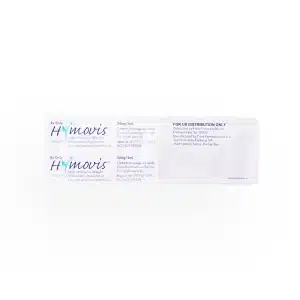
HYMOVIS® contains HYADD4® chemically modified hyaluronan, formulated without chemical cross-linking. Its standard knee osteoarthritis regimen consists of two injections administered one week apart; HYMOVIS® ONE is a separate single-injection presentation. Clinicians should confirm the specific formulation and local authorization before choosing to buy HYMOVIS®.
MONOVISC® is an ultra-pure, cross-linked HA product administered as a single 4 mL knee injection. Its one-visit regimen provides a useful comparison with other single-dose viscosupplements when clinicians evaluate whether to buy MONOVISC® for an appropriate treatment protocol.
ORTHOVISC® contains high-molecular-weight, non-avian hyaluronan administered through a multi-injection course for knee osteoarthritis. Its labeled three- to four-injection schedule is an important consideration when clinicians buy ORTHOVISC® and compare it with single-dose alternatives.
SUPARTZ® is an avian-derived sodium hyaluronate product for knee osteoarthritis, typically administered over three to five weekly injections, per the applicable labeling. When deciding whether to buy SUPARTZ®, clinics should consider its avian source, treatment schedule, and relevant allergy precautions.
SYNVISC® and SYNVISC-ONE® both contain hylan G-F 20, but their administration schedules differ: three weekly injections versus one injection, respectively. The distinction matters when comparing treatment visits, labeled indications, and patient preferences before deciding to buy SYNVISC®.
Clinical Benefits of Orthopedic Injection Therapy
Orthopedic injections may relieve symptoms for selected patients, but effectiveness varies by product type, indication, and individual response. For knee osteoarthritis, evidence supporting hyaluronic acid injections is mixed: the American Academy of Orthopaedic Surgeons does not recommend their routine use, while acknowledging that some patients may benefit. [4]
For clinics, these treatments offer a minimally invasive option that can sit alongside physical therapy, oral medication, and, where clinically appropriate, a plan that considers joint replacement later. Single-injection products such as Synvisc-One®, Monovisc®, and DUROLANE® may reduce the burden of visits, while multi-injection courses such as EUFLEXXA®, HYALGAN®, ORTHOVISC®, SUPARTZ®, and SYNVISC® allow staged treatment planning over several weeks.
Orthopedic injections can also be combined with rehabilitation programs to support strength, range of motion, and longer-term mobility goals. Insurance coverage may apply in some markets and indications, and practitioners should verify payer requirements for each product and patient when planning to order orthopedic injections wholesale.
Storage, Temperature, and Shipping Requirements for Orthopedic Injections
Storage requirements vary by product, so practitioners should always cross-reference the individual IFU. Many hyaluronic acid viscosupplementation products are stored at controlled room temperature, while some products may require refrigeration. Protect products from freezing, direct sunlight, excessive heat, and damaged packaging.
Doctor Medica ships orthopedic injection products with appropriate packaging for professional supply. Clinics should inspect each shipment on arrival, confirm expiry dates, review lot information, and document storage conditions before adding products to inventory.
For bulk orders, clinics planning to order orthopedic injections wholesale should also confirm that their storage system can support product-specific temperature and traceability requirements before placing a recurring order.
Price of Orthopedic Injections — What Practitioners Pay at Wholesale
Orthopedic injection pricing varies by brand, formulation, syringe format, and order volume. When clinics order orthopedic injections, per-syringe costs should be compared with the full treatment course. Single-dose options may cost more per unit but require fewer appointments than multi-injection regimens.
The total cost of knee gel injections depends on the product and treatment schedule, not just the price of an individual syringe. Patient costs for hyaluronic acid injections also vary according to clinic fees and insurance coverage.
Clinics can purchase orthopedic injections through Doctor Medica at wholesale rates. Practices looking to buy knee gel injections in larger quantities can review the catalog above or contact Doctor Medica’s staff for current prices and product documentation.
Legal Status — Do Orthopedic Injections Require a Prescription?
Orthopedic injection products are intended for professional use and are not appropriate for consumer self-purchase or self-injection. HA viscosupplementation products are regulated as medical devices in many markets, while corticosteroids are pharmaceutical products. PRP, stem cell, and regenerative injection procedures may fall under different rules depending on preparation method, claims, and jurisdiction.
In the United States, several HA viscosupplementation products are FDA-approved to treat knee osteoarthritis pain in patients who have not responded adequately to conservative therapy. [1][2] For billing, clinics should also verify current NDC numbers, J-codes, and CPT 20610 or other applicable large-joint injection codes before submitting claims.
Doctor Medica supplies licensed practitioners and medical clinics. Before clinics purchase orthopedic injections, they should confirm the product’s authorization, labeled indications, and applicable professional-use requirements in their country.
Side Effects and Safety Considerations for Orthopedic Injections
Safety considerations differ across orthopedic injection types. For HA viscosupplementation products, commonly reported reactions include injection-site pain, swelling, warmth, stiffness, and temporary joint effusion. These effects are generally self-limited, but practitioners should follow the product’s labeling and use appropriate sterile technique.
Serious complications are uncommon but important to discuss. Risks include infection, allergic reaction, septic arthritis, and acute local joint reactions sometimes described as pseudoseptic reactions. Some reports associate cross-linked HA products with acute local reactions, though these remain rare.
Corticosteroid injections require separate caution because repeated use may contribute to blood glucose elevation, adrenal effects, post-injection flare, or cartilage concerns. PRP is generally well tolerated, whereas stem cell and regenerative injections require more careful counseling because evidence and regulatory frameworks vary widely.
Contraindications and precautions vary by product but may include infection at the injection site or within the joint, hypersensitivity to formulation components, and relevant avian protein allergies for avian-derived products. Joint effusion may require aspiration before administration, depending on the product’s instructions for use and clinical assessment.
Where to Buy Orthopedic Injections Online — Doctor Medica’s Wholesale Catalog
Doctor Medica supplies orthopedic injections to licensed medical professionals at competitive wholesale prices. Clinics looking to order orthopedic injections online can browse the catalog above to compare viscosupplementation brands, injection schedules, syringe formats, and available documentation.
Clinics can buy orthopedic injections wholesale with treatment schedules, product labeling, and storage capacity in mind. For recurring knee OA programs, Doctor Medica’s staff can help practices order orthopedic injections and obtain documentation for individual products.
With more than 15 years of experience supplying aesthetic and medical injectable products, Doctor Medica offers professional-use products, lot-number information available on request, international shipping, product documentation support, and a dedicated team for professional buyers.
Buy orthopedic injections from Doctor Medica today. Browse the catalog above, or contact Doctor Medica’s staff for wholesale pricing and documentation support.
FAQs
How should clinics compare single-injection and multi-injection viscosupplements?
Clinics should compare the complete treatment schedule, labeled indications, patient preferences, and total course cost. Products such as MONOVISC® and SYNVISC-ONE® require one injection per cycle, while EUFLEXXA® requires three weekly injections. The number of treatment visits is only one factor in choosing an appropriate product.
What should practitioners check when comparing hyaluronic acid injection brands?
Important differences include molecular weight, cross-linking, source material, injection volume, and administration schedule. Product-specific labeling should guide clinical decisions, particularly when comparing avian-derived and non-avian formulations or products intended for different treatment protocols.
When might a cortisone injection for knee pain be considered instead of viscosupplementation?
Corticosteroid injections may be considered when the primary treatment objective is short-term inflammation reduction. HA viscosupplementation has a different mechanism and may be considered for selected patients with knee osteoarthritis. Treatment selection depends on the clinical indication, patient history, and relevant evidence.
What should medical professionals verify before ordering orthopedic gel shots?
Practitioners should confirm the exact formulation, syringe format, manufacturer information, expiration date, and product-specific storage instructions. Before practices buy knee gel injections, they should also verify regional authorization, professional-use requirements, and documentation available from their supplier.
How can clinics estimate the complete cost of a viscosupplementation treatment course?
The full cost includes the number of syringes required, scheduled treatment visits, procedure-related expenses, and any applicable payer requirements. Comparing the total treatment course provides a more useful procurement perspective than evaluating individual syringe prices alone.
Can orthopedic injection products be used for joints other than the knee?
That depends on the product and jurisdiction. Many HA viscosupplementation products are indicated only for knee osteoarthritis. Use in other joints may be outside the approved labeling, so practitioners should confirm the relevant indication and regulatory status before treatment.
For licensed medical professionals only. This content is for informational purposes only and does not constitute medical advice.
Citations and Resources
[1] U.S. Food and Drug Administration. “Synvisc-One: Summary of Safety and Effectiveness Data (P940015/S012).” U.S. Food and Drug Administration, 26 Feb. 2009, www.accessdata.fda.gov/cdrh_docs/pdf/P940015S012B.pdf.
[2] U.S. Food and Drug Administration. “MONOVISC™: Summary of Safety and Effectiveness Data (P090031).” U.S. Food and Drug Administration, 25 Feb. 2014, www.accessdata.fda.gov/cdrh_docs/pdf9/P090031b.pdf.
[3] U.S. Food and Drug Administration. “EUFLEXXA® (1% Sodium Hyaluronate): Product Information.” U.S. Food and Drug Administration, 11 Oct. 2011, www.accessdata.fda.gov/cdrh_docs/pdf/P010029S008c.pdf.
[4] American Academy of Orthopaedic Surgeons. Management of Osteoarthritis of the Knee (Non-Arthroplasty): Evidence-Based Clinical Practice Guideline. American Academy of Orthopaedic Surgeons, 31 Aug. 2021.
[5] Peck, Jacquelin et al. “A Comprehensive Review of Viscosupplementation in Osteoarthritis of the Knee.” Orthopedic reviews vol. 13,2 25549. 10 Jul. 2021, doi:10.52965/001c.25549
Written by Doctor Medica’s Editorial team
The content on this page has been written and fact-checked in accordance with our Editorial Policy. Clinical claims are sourced from peer-reviewed literature, regulatory documentation, and manufacturer specifications. Where citations are provided, it is always in accordance to our editorial standards.
Doctor Medica sources products exclusively through authorized distributors and established procurement channels. Products are verified as genuine, and supplied in the original packaging with their seal intact. Learn more about how we guarantee product authenticity, sourcing compliance, and traceable delivery to our clients.