Your Cart is Empty
Start shopping

Biostimulators
(10 products)
PLLA, CaHA, PCL, and Rh-Collagen/HA biostimulator injections are designed to support progressive collagen stimulation, improve skin quality, and correct volume loss when administered by trained practitioners. Licensed medical professionals can buy biostimulators online, compare leading biostimulatory injectables, and order biostimulators for clinic use through Doctor Medica's verified catalog.
Filters
Category
Brand
Price Range
$
$




What Are Biostimulators? Collagen-Stimulating Injectables Explained
Biostimulators are injectable treatments that trigger your body’s natural collagen and elastin production over time, rather than immediately replacing lost volume. They are used by licensed aesthetic practitioners, dermatologists, and plastic surgeons to address volume loss, skin laxity, lines and wrinkles, and declining skin quality. Unlike hyaluronic acid-based fillers, collagen biostimulators work progressively by stimulating fibroblast activity in the deeper layers of the skin, with results developing over weeks to months. The gradual, natural-looking outcomes they produce have contributed to the rising popularity of non-hyaluronic acid fillers among practitioners seeking longer-lasting treatment options. [1]
Biostimulatory injectables work by placing microparticles, microspheres, or scaffold materials into the dermal or subdermal plane, initiating a controlled tissue response that supports the natural production of collagen and elastin. Skin firmness, texture, elasticity, and structural support improve progressively as collagen remodeling advances. For clinics planning to purchase biostimulators, the central clinical consideration is timing: these are not instant volumizers. Some CaHA and PCL formulations provide an immediate lift or scaffold effect, but the defining benefit of biostimulators is the sustained collagen response that continues to develop after treatment.
Types of Biostimulators — PLLA, CaHA, PCL, and Emerging Options
The main types of biostimulators in clinical use are poly-L-lactic acid, calcium hydroxyapatite, polycaprolactone, and recombinant human collagen hybrids. Each class differs in structure, mechanism, onset, and duration profile. [1]
Poly-L-lactic acid (PLLA) products contain biodegradable microparticles that gradually stimulate collagen neogenesis. PLLA is selected for facial rejuvenation, correction of volume loss and skin laxity, and larger-area treatment planning. Results typically develop over 3–6 months, with effects lasting approximately 2 years or beyond depending on product, protocol, and patient factors. SCULPTRA®, LANLUMA, and THERASET® are established PLLA-based biostimulators — THERASET® uses PLLA microparticles suspended in sodium carboxymethylcellulose and is positioned for extended collagen stimulation across face and body indications.
Calcium hydroxyapatite (CaHA) products deliver microspheres suspended in a gel carrier, providing immediate structural support alongside sustained collagen and elastin-related tissue remodeling. RADIESSE® and HArmonyCA™ combine the effects of both in a single treatment, with a duration commonly reported to be 12–18 months in facial protocols. [3]
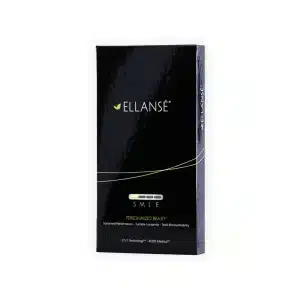
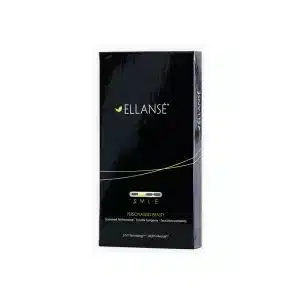
Polycaprolactone (PCL) uses microspheres in a carboxymethylcellulose gel to deliver immediate volume correction and prolonged collagen stimulation. ELLANSÉ™ is the principal PCL biostimulator in this catalog, with longevity variants that differ in their expected duration of effect.
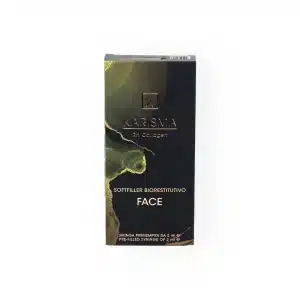
Recombinant human collagen (Rh-Collagen) and HA hybrids represent an innovative class distinct from the three established categories above. KARISMA combines recombinant human type I collagen — synthesized via transgenic silkworm technology to be bio-identical to endogenous collagen — with hyaluronic acid and carboxymethylcellulose. This formulation approach differs fundamentally from PLLA microparticle-based stimulation and should not be grouped with PLLA products in clinical comparison or protocol planning.
Exosomes represent a further emerging area. Extracellular vesicles can carry growth factors and signaling molecules with regenerative properties, which is why the question of whether exosomes are biostimulators arises in clinical discussion. They are not currently classified in the same regulatory and injectable category as established PLLA, CaHA, or PCL products, and their evidence base and regulatory status vary significantly across markets.
Biostimulators vs Dermal Fillers, Skin Boosters, and Mesotherapy
The difference between fillers and biostimulators is one of the most clinically important distinctions for patient consultation and product selection when clinics order biostimulators.
- Biostimulators: Stimulate the body’s own collagen response. Results are gradual and long-lasting — typically 1–4 years or more, depending on the product class — and focused on improving skin quality, laxity, and structural support. CaHA and PCL formulations also provide some degree of immediate lift alongside the biostimulatory response.
- Dermal fillers: Primarily hyaluronic acid-based injectables that provide immediate volume replacement and are commonly used to contour lips, cheeks, jawlines, temples, and facial folds. Duration is generally shorter than collagen-stimulating products, typically 6–18 months. Practitioners comparing options across both categories can buy dermal fillers online through Doctor Medica’s filler category.
- Skin boosters: Improve hydration and superficial skin quality using HA-based microinjection or related technologies. They enhance surface texture and glow but do not stimulate collagen at the same biological level as PLLA, CaHA, or PCL injectables.
- Mesotherapy: This treatment delivers vitamins, nutrients, HA, or other cocktail formulations through multiple microinjections. Its mechanism of action is distinct from that of injectable collagen biostimulators, though it may support complementary skin care goals.
For patients considering surgical versus non-surgical approaches to facial rejuvenation, biostimulators can be positioned as a non-surgical option to improve skin laxity, subtly lift the skin, and restore structural support. They are not a replacement for surgery in patients with significant tissue descent, but they have a meaningful role in early- to moderate-aging protocols. Clinics that order biostimulators wholesale should consider this role when selecting products for their treatment portfolio.
Conditions Treated and Administration Areas
Biostimulators for face treatments are used to address volume loss in the cheeks and temples, jawline definition, skin laxity, and lines and wrinkles. For practitioners selecting the best biostimulators for aging skin, the choice between product classes depends on whether the protocol requires gradual collagen stimulation, immediate lift, or both.
Common facial treatment areas include the cheeks, temples, jawline, chin, nasolabial folds, marionette region, lower face, and the periorbital zone. Biostimulators for the under-eye area require careful product selection and advanced injection technique — selected CaHA hyperdilute or PLLA approaches may improve periorbital skin quality, but this region is anatomically demanding and not appropriate for every product or patient.
Beyond the face, collagen biostimulators are used on the neck, décolletage, hands, abdomen, buttocks, thighs, and other body areas, subject to local approvals and practitioner training. Histological evidence supports collagen and elastin neoformation with both PLLA and CaHA in body applications, including the arms and hands. [2] LANLUMA and hyperdilute RADIESSE® are frequently used to correct body skin laxity, while SCULPTRA® and THERASET® support broader collagen-restoration protocols for larger treatment areas.
Biostimulator Brands on Doctor Medica
ELLANSÉ™ is a PCL-based biostimulator available in S, M, L, and E variants, each associated with a different longevity profile. Its carrier gel provides immediate correction, while the PCL microspheres support progressive, longer-lasting collagen stimulation. Practitioners comparing PCL formulations can buy ELLANSÉ™ through Doctor Medica.
HArmonyCA™ combines calcium hydroxyapatite with hyaluronic acid to provide immediate lifting support alongside biostimulatory collagen induction. Practitioners who want to buy HArmonyCA™ may consider it for protocols addressing facial structure, soft-tissue support, and skin quality.
KARISMA is an Rh-collagen and hyaluronic acid hybrid formulated with recombinant human type I collagen designed to be bioidentical to endogenous collagen. Clinics looking to buy KARISMA can compare this formulation with the PLLA-, CaHA-, and PCL-based options available in Doctor Medica’s professional catalog.
LANLUMA is a PLLA biostimulator used in both facial and body protocols, particularly for progressive collagen induction over larger treatment areas. [2] Practitioners planning to buy LANLUMA may evaluate it for protocols focused on skin laxity, tissue quality, and gradual structural improvement.
RADIESSE® uses CaHA microspheres to provide immediate volumizing support while promoting sustained collagen stimulation. Depending on the indication, anatomy, and injection technique, it may be used for standard facial correction or in hyperdilute protocols. [2] Clinics seeking to buy RADIESSE® can compare it with other CaHA and PLLA options in Doctor Medica’s biostimulator range.
SCULPTRA® is a well-established PLLA collagen stimulator supported by a long clinical history. [4] Practitioners who buy SCULPTRA® commonly incorporate it into protocols intended to produce gradual, natural-looking improvements in facial structure and skin quality through progressive collagen restoration.
THERASET® is a PLLA-based biostimulator formulated with microparticles suspended in sodium carboxymethylcellulose. It is designed to support extended collagen stimulation in facial and body protocols. Clinics considering additional PLLA options can buy THERASET® through Doctor Medica and assess how it fits alongside products such as SCULPTRA® and LANLUMA.
Dosage, Session Protocols, and Time to See Results
Session planning for biostimulators depends on the product type, treatment area, the degree of volume loss or skin laxity, and the individual collagen response. Practitioners evaluating biostimulators before and after protocols should set patient expectations around progressive development rather than immediate results. These factors also guide product selection when clinics order biostimulators online.
For PLLA products such as SCULPTRA®, LANLUMA, and THERASET®, 2–3 sessions spaced approximately 4–6 weeks apart are commonly planned. Results develop over 3–6 months as collagen production increases, with longevity potentially extending to approximately 25 months or beyond in facial protocols, depending on the product and patient factors. [3]
For CaHA products such as RADIESSE® and HArmonyCA™, 1–2 sessions are sufficient for many protocols. These products deliver an immediate structural effect alongside a progressive biostimulatory response, with the duration commonly falling within the range of 12–18 months. [3]
For PCL products, ELLANSÉ™ protocols typically involve a single session with immediate correction and long-term collagen stimulation. ELLANSÉ™ variants are associated with different duration profiles — typically 1–4 years depending on the S, M, L, or E formulation selected.
For KARISMA, standard protocols typically involve 1–2 initial sessions spaced 4 weeks apart, with results lasting 6–12 months before a maintenance booster is recommended around the 4–6 month mark. As an Rh-Collagen/HA hybrid with uncrosslinked components, its longevity profile is shorter than PLLA or PCL products and should be communicated clearly during patient consultation.
How long biostimulators last depends on product class, treatment area, injection plane, patient age, metabolism, and collagen response. Practitioners should follow product-specific instructions and applicable local regulatory guidance.
Clinical Benefits of Biostimulators
Biostimulators produce long-lasting collagen stimulation that continues to improve skin quality well beyond the treatment session itself. Because they work by triggering a biological tissue response rather than occupying space, results develop naturally and typically avoid the sudden volume change associated with traditional HA fillers.
Although biostimulator results may develop gradually, PLLA, CaHA, and PCL formulations cannot be routinely dissolved in the same way as hyaluronic acid fillers. For practices managing early- to moderate-aging presentations and looking to buy biostimulators, collagen biostimulators offer a meaningful clinical tool between topical skin care, HA fillers, and surgical intervention. They can improve skin laxity, lift the skin structurally, and address volume loss without requiring surgery — a positioning that resonates in the surgical-versus-non-surgical conversation.
Both PLLA and CaHA products have demonstrated histological evidence of collagen and elastin neoformation in clinical studies, supporting their use not only in facial protocols but in body applications where skin quality and structural support are the primary treatment goals. [2] The stimulation of new collagen and elastin across these product classes supports improvements in firmness, texture, and elasticity over a treatment timeline that is meaningfully longer than most HA-based alternatives. [1]
Legal Status and FDA Approval
The regulatory status of biostimulators depends on the product and jurisdiction. SCULPTRA® is FDA-approved for selected facial wrinkles, including cheek fine lines and wrinkles, as well as facial lipoatrophy associated with HIV [4]. RADIESSE® has FDA-approved uses for moderate-to-severe facial wrinkles and folds, correction of HIV-associated facial fat loss, and hand augmentation [5].
ELLANSÉ™ and LANLUMA are CE-marked for use in European and other markets but are not FDA-approved for aesthetic use in the United States. Other brands in this category may hold regional approvals or CE marking — these do not automatically apply across all markets, and practitioners should confirm the current approval status and permitted indications for each product in their jurisdiction before use.
Exosome-based products are sometimes discussed alongside established biostimulators but are not regulated within the same injectable category as PLLA, CaHA, or PCL products. Their regulatory status depends on jurisdiction, formulation, and product claims, and the evidence base remains in earlier stages of development.
All biostimulator injections should be performed by qualified, licensed medical professionals. Doctor Medica’s staff supply this category exclusively to verified licensed practitioners.
Storage and Shipping
Storage requirements vary by product class. PLLA products such as SCULPTRA®, LANLUMA, and THERASET® require formulation-specific preparation. Reconstitution procedures and timing must follow the applicable product instructions rather than a standard preparation window. The exact window is product-specific and practitioners should follow the applicable IFU. CaHA products, such as RADIESSE®, and PCL products, such as ELLANSÉ™, are generally stored at controlled room temperature, but handling and shelf-life requirements depend on the individual product. KARISMA storage and reconstitution requirements should be confirmed against the product IFU.
Doctor Medica ships biostimulator products with appropriate packaging for the category. Clinics should inspect products on arrival, verify lot numbers, confirm expiry dates, and review storage instructions before they buy biostimulators wholesale and use them.
Price of Biostimulators
Biostimulator cost varies by product class, brand, vial or syringe format, and order volume. Longer-duration options — such as selected ELLANSÉ™ variants or LANLUMA body protocols — typically carry a higher per-treatment cost, but cost per year of effect is a more useful metric when presenting value to patients and planning clinic procurement.
Browse Doctor Medica’s product list to compare current wholesale pricing across the biostimulator range. Licensed practitioners can buy biostimulators from Doctor Medica at competitive wholesale prices, or contact Doctor Medica’s staff for volume pricing and sourcing guidance.
Side Effects and Safety
Biostimulator injections are generally well tolerated when performed by trained practitioners using correct technique, but adverse events can occur, and careful patient screening is essential. [1]
Common effects include injection-site bruising, swelling, tenderness, redness, and temporary firmness during the early settling period. PLLA-specific risks include papule or nodule formation, particularly when dilution protocols are insufficient, or the recommended post-treatment massage regimen is not followed — these are technique-dependent complications that underscore the importance of product preparation and aftercare instruction. [3]
CaHA products carry vascular occlusion risk common to all injectables placed near vessels. Rare pseudoseptic-type inflammatory reactions have also been reported with some biostimulatory injectables. Contraindications and precautions include active skin infection at the proposed injection site, known allergy to product components, pregnancy, and autoimmune conditions that may affect tissue response.
Practitioners should always screen patients against the relevant IFU before proceeding.
Where to Buy Biostimulators Online — Doctor Medica
Doctor Medica is a trusted wholesale source for licensed practitioners looking to buy biostimulators online, compare leading collagen biostimulators, and source authentic injectable products for clinic use. With more than 15 years of supply experience, Doctor Medica’s staff support clinics by providing verified authenticity, fast shipping, lot-number traceability, and dedicated professional service.
Practitioners can purchase biostimulators across PLLA, CaHA, PCL, and Rh-Collagen/HA categories — including SCULPTRA®, RADIESSE®, ELLANSÉ™, LANLUMA, HArmonyCA™, KARISMA, and THERASET®. Clinics looking to order biostimulators online can browse the product grid above for current options and pricing.
Whether expanding facial rejuvenation services, building out body skin laxity protocols, or comparing long-lasting non-HA injectables, licensed practitioners can buy biostimulator injections through Doctor Medica’s verified wholesale catalog. Buy collagen biostimulators from Doctor Medica today — browse the catalog above or contact Doctor Medica’s staff for wholesale pricing and availability.
FAQs
When might a biostimulator be unsuitable for a patient’s primary concern?
Biostimulators may not adequately address concerns such as pronounced tissue descent, certain dynamic wrinkles, or conditions requiring substantial immediate correction. Practitioners should assess the underlying anatomical concern and determine whether another injectable treatment, a combined approach, or surgical evaluation would be more appropriate.
How should previous filler treatments influence biostimulator planning?
Previous treatments may affect the choice of product, treatment area, and timing. Practitioners should document earlier filler materials, injection sites, complications, and treatment dates before selecting a biostimulator. Product-specific labeling should also be reviewed for precautions involving previously treated areas.
Why does injection depth matter when selecting a biostimulator?
The appropriate tissue plane depends on the formulation, treatment indication, and anatomical region. Incorrect placement can increase the risk of complications, including nodules or vascular injury. Practitioners should follow product-specific instructions and use techniques appropriate to the patient’s anatomy.
When should clinicians evaluate the results of PLLA treatment?
PLLA-related improvements develop progressively, so outcomes should be assessed according to the product’s treatment schedule rather than immediately after injection. Follow-up evaluations can help determine whether the expected response is developing and whether additional treatment is appropriate.
What should practitioners consider when patients show an incomplete response?
An incomplete response warrants reassessment of the original treatment goals, product used, treatment interval, and individual tissue response. Additional injections should not automatically be recommended before allowing sufficient time for the expected effect or reviewing other possible explanations.
Which clinical findings may require postponing biostimulator treatment?
Active infection or inflammation at the proposed injection site may require treatment to be deferred. Allergies, previous complications, relevant medical conditions, and other product-specific precautions should also be reviewed. Contraindications vary by formulation and should be confirmed against current labeling.
Are exosomes considered established injectable biostimulators?
No. Although extracellular vesicles are being investigated for their effects on cellular signaling and tissue repair, exosome products are not equivalent to established PLLA, CaHA, or PCL injectables. Their clinical evidence and regulatory status require separate evaluation, and there are currently no FDA-approved exosome products.
Where can licensed practitioners buy biostimulators online?
Doctor Medica provides an online catalog for verified licensed medical professionals comparing biostimulator formulations and brands. Practitioners can review product information and contact the team regarding documentation, sourcing, and applicable purchasing requirements.
For licensed medical professionals only. This content is for informational purposes only and does not constitute medical advice.
Citations and Resources
[1] Flores Rodríguez JC, Rosengaus Leizgold FE, Cárdenas Sicilia N, et al. Mechanisms of Cytokine Modulation and Inflammatory Cascade in Bio-stimulatory Skin Rejuvenation: A Comprehensive Literature Review of Poly-L-Lactic Acid, Calcium Hydroxyapatite, Polycaprolactone, and Poly-D, L-Lactic Acid. Cureus. 2026;18(4):e107800. https://pubmed.ncbi.nlm.nih.gov/42211639/
[2] Mazzuco R, Evangelista C, Gobbato DO, de Almeida LM. Clinical and histological comparative outcomes after injections of poly-L-lactic acid and calcium hydroxyapatite in arms: A split side study. J Cosmet Dermatol. 2022;21(12):6727-6733. https://pubmed.ncbi.nlm.nih.gov/36098704/
[3] Ferreira ACM, Silva LR, Espasandin I, et al. Efficacy, Durability, and Safety of Collagen Biostimulators Based on Poly-L-Lactic Acid (PLLA) and Calcium Hydroxyapatite (CaHA) in the Face: A Systematic Review. Aesthetic Plast Surg. 2026;50(3):1291-1300. doi:10.1007/s00266-025-05412-8
[4] Sculptra – P030050/S039. U.S. Food and Drug Administration. Updated 2023. https://www.fda.gov/medical-devices/recently-approved-devices/sculptra-p030050s039
[5] RADIESSE® Injectables Practice Resources. RADIESSE® for Providers. https://radiesse.com/professionals/isi-professionals/
Written by Doctor Medica’s Editorial team
The content on this page has been written and fact-checked in accordance with our Editorial Policy. Clinical claims are sourced from peer-reviewed literature, regulatory documentation, and manufacturer specifications. Where citations are provided, it is always in accordance to our editorial standards.
Doctor Medica sources products exclusively through authorized distributors and established procurement channels. Products are verified as genuine, and supplied in the original packaging with their seal intact. Learn more about how we guarantee product authenticity, sourcing compliance, and traceable delivery to our clients.