Your Cart is Empty
Start shopping

Mesotherapy
(19 products)
Explore Doctor Medica’s wholesale selection of mesotherapy injections and professional-use formulations for skin rejuvenation, scalp care, and body-contouring protocols. The category is intended for licensed aesthetic practitioners, dermatologists, cosmetic nurses, plastic surgeons, and clinic owners comparing products for their treatment plans. Review active ingredients, product formats, and intended applications to find suitable options for your practice. With over 15 years in professional aesthetic supply, Doctor Medica offers verified sourcing and wholesale support. Browse the catalog below to buy mesotherapy online or compare formulations.
Filters
Category
Brand
Price Range
$
$








What Is Mesotherapy? A Clinical Introduction for Aesthetic Practitioners
Mesotherapy is a minimally invasive aesthetic technique that uses microinjections of active substances into the skin or subcutaneous tissue. Licensed practitioners use mesotherapy injections in protocols for skin rejuvenation, hair thinning, under-eye quality concerns, cellulite, and body contouring. Common active substances include hyaluronic acid, vitamins, amino acids, enzymes, plant extracts, growth factors, and polynucleotides. In aesthetic practice, treatment areas commonly include the face and neck, scalp, décolletage, hands, and selected regions of the body.
Dr. Michel Pistor first developed the technique in France in 1952. [1] The French Society of Mesotherapy, founded by Pistor in 1964, helped formalize and disseminate the technique. [1] Mesotherapy has since evolved from its early vascular and pain-management origins into a modern cosmetic aesthetics field, where practitioners use intradermal or subcutaneous injections to deliver active ingredients directly to target tissue. [1]
The mechanism of action depends on indication and formulation. In skin rejuvenation, mesotherapy may support hydration, collagen and elastin activity, and dermal quality at a superficial level. In hair protocols, scalp injections aim to deliver vitamins, DHT-modulating substances, peptides, or growth-supporting compounds near the follicular environment. In body protocols, injection lipolysis targets fat cells and fat deposits, though regulatory status and clinical evidence vary significantly by product and jurisdiction, factors clinics should review before they order mesotherapy online.
How Mesotherapy Fits Into Aesthetic Treatment Plans
Mesotherapy delivers selected ingredients into tissue rather than relying on topical application of a mesotherapy serum. It can complement dermal fillers, botulinum toxin, PRP, chemical peels, or laser procedures in a broader treatment plan. Although less invasive than surgical liposuction, these approaches serve different clinical goals.
Practitioners should assess the benefits against the available evidence for each formulation and review relevant sourcing considerations when they order Mesotherapy wholesale. Studies support selected skin-rejuvenation protocols, but the evidence remains heterogeneous. [2][3] For injection lipolysis, the Food and Drug Administration warns of serious adverse reactions from unapproved fat-dissolving injections. [5]
Mesotherapy Treatment Areas: Face, Scalp, and Body
Facial and Skin Rejuvenation
Facial mesotherapy may address hydration, texture, and fine lines and wrinkles with formulations containing hyaluronic acid, vitamins, amino acids, or plant extracts. [3] Treatment areas include the face and neck, décolletage, and hands.
Hair Mesotherapy
Mesotherapy for hair loss is used in selected scalp protocols for androgenetic alopecia and diffuse shedding. [4] Practitioners considering mesotherapy for alopecia should select formulations according to the patient’s clinical presentation.
Body Mesotherapy
Mesotherapy for cellulite and body contouring may involve injection lipolysis targeting unwanted fat deposits. Assessment should consider connective tissue, blood and lymph circulation, and other patient-specific factors.
Mesotherapy Under Eyes
Under-eye mesotherapy shots may be considered for selected dark-circle, fine-line, or texture concerns. This delicate area requires conservative technique and appropriate product selection and clinics that order mesotherapy wholesale should select formulations appropriate for periorbital use.
Mesotherapy Injections: Ingredients and Delivery Methods
The substances injected during mesotherapy vary by application. Skin and hair formulations may include B-complex vitamins, vitamin C, biotin, amino acids, hyaluronic acid, plant extracts, peptides, or polynucleotides (PDRN). Body-contouring protocols may involve lipolytic substances.
Manual injection with mesotherapy needles allows control over placement and dose. A mesotherapy gun may speed treatment over larger areas, but a 2025 international consensus cautions against multi-injector systems where precise depth and point targeting are needed. [6]
Nappage distributes superficial injections across a wider area, while point-by-point placement targets selected sites. [1] Facial and scalp protocols commonly involve intradermal placement; fat-reduction protocols may involve subcutaneous injections. [1] Safe practice requires correct product selection, anatomical knowledge, and sterile technique.
Mesotherapy Brands Available on Doctor Medica
BCN covers a broad range of mesotherapy cocktails for facial rejuvenation, scalp care, and body applications. For clinics looking to buy BCN, comparing individual formulations and active ingredients is more useful than relying on a single all-purpose cocktail.
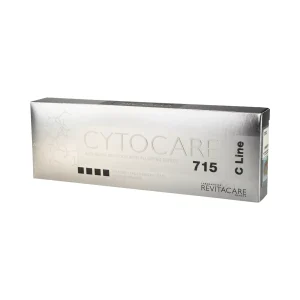
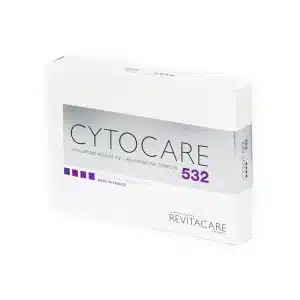
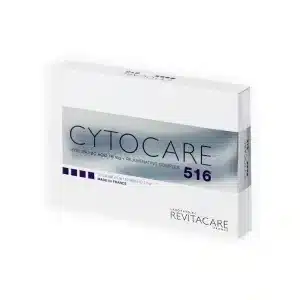
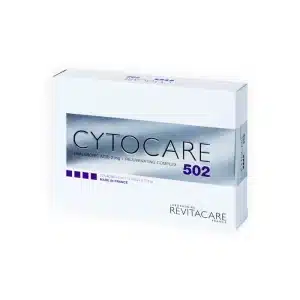
CYTOCARE combines hyaluronic acid with complementary ingredients in formulations intended for facial revitalization. Practitioners planning to buy CYTOCARE can compare these options based on skin-quality goals and individual product indications.
When the goal is biorevitalization rather than structural volume correction, practitioners may buy EJAL as a hyaluronic acid-based option for facial hydration and skin-quality protocols.
JALUPRO® takes a different formulation approach by combining amino acids with hyaluronic acid. This distinction is worth considering before clinics buy JALUPRO® for skin revitalization and biorevitalization treatments.
Before choosing to buy LEMONBOTTLE, practitioners should review the formulation, product documentation, and regulatory status in their jurisdiction. Unlike hydration-focused mesotherapy products, LEMONBOTTLE is marketed for localized fat and body-contouring applications.
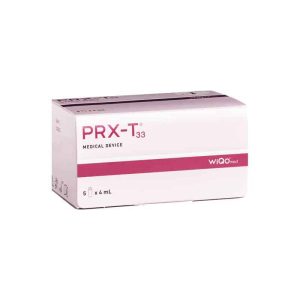
PRX-T33® belongs to a different treatment category despite its association with skin rejuvenation. It is a topical biorevitalization treatment rather than an injectable mesotherapy product, an important distinction for clinics planning to buy PRX-T33®.
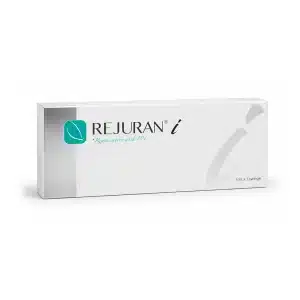
Polynucleotide-based formulations distinguish REJURAN® from conventional hyaluronic acid skin boosters. Practices exploring these skin-quality treatments can buy REJURAN® after confirming which specific formulation suits their intended protocol.
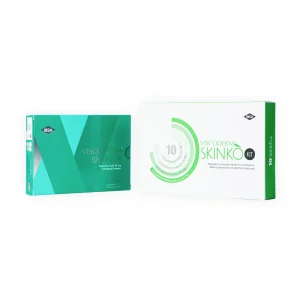
VISCODERM® offers injectable hyaluronic acid treatments for hydration and facial skin quality. Clinics that buy VISCODERM® generally consider it for skin-boosting protocols rather than structural volume restoration.
Mesotherapy Sessions and Result Timelines
Mesotherapy treatment is almost always structured as a course rather than a single-session fix. Many skin rejuvenation protocols use a multi-session induction phase, often three to six sessions at weekly to monthly intervals, followed by maintenance treatments; the exact schedule depends on the product and indication. [2][3]
Injection volume varies by product, treatment area, and technique. The point-by-point method described in the literature uses approximately 0.02–0.05 mL per injection point, primarily in fat-reduction applications. [1] Total session volumes differ across facial, scalp, and body protocols, so practitioners should follow the instructions for the specific formulation.
When interpreting mesotherapy before and after results, practitioners should assess outcomes according to the indication. Studies on facial hydration and texture have evaluated improvements across multi-session treatment courses. [2][3] Hair loss protocols differ considerably, making consistent follow-up important when evaluating treatment response. [4] Body contouring outcomes also require indication- and product-specific assessment.
Treatment schedules should follow product-specific evidence rather than assumptions about how long individual ingredients remain in tissue. A controlled study of one HA-based mesotherapy formulation reported improvements in skin quality. [2] Such formulations differ from volumizing HA fillers in rheology, placement, and intended use.
Mesotherapy vs Dermal Fillers — Understanding the Clinical Difference
Mesotherapy uses small injections across a treatment area to support skin hydration and quality without adding structural volume. Dermal fillers are placed in selected anatomical areas to restore volume and contours or soften lines and wrinkles. Their viscosity and G′ also differ from typical mesotherapy formulations.
Injection depth and longevity vary: mesotherapy is generally intradermal or superficially subcutaneous and often requires maintenance, whereas filler placement and duration depend on the product, treatment area, and intended correction. Clinics combining both approaches can review options when they buy dermal fillers through Doctor Medica.
Mesotherapy vs Microneedling — When to Use Each
Unlike microneedling, which creates microchannels to stimulate skin repair, mesotherapy uses injections to deliver selected substances at controlled depths.
Clinics may choose mesotherapy when ingredient delivery is the goal, or microneedling when mechanical skin remodeling is preferred. Some protocols apply a mesotherapy serum during microneedling, but topical application through microchannels is not the same as injectable mesotherapy. Clinics should distinguish between these intended uses when they order mesotherapy.
Clinical Benefits of Mesotherapy: What the Evidence Shows
The clinical effects of mesotherapy vary by formulation and indication. Clinical trials of selected hyaluronic acid-based and polycomponent formulations report improvements in skin hydration, texture, radiance, and appearance after treatment courses. [2][3] These findings should not be generalized to every mesotherapy product.
Evidence for hair applications remains less standardized. A 2024 systematic review covering 11 studies and 576 patients examined mesotherapy for androgenetic alopecia but identified limitations involving study size, heterogeneous protocols, and outcome assessment. [4] Further controlled research is needed to establish consistent treatment recommendations.
Evidence for injection lipolysis and body-contouring applications also varies by product. The FDA has warned about serious complications associated with unapproved fat-dissolving injections, reinforcing the importance of product-specific safety and regulatory assessment. [5]
Storage and Temperature Requirements for Mesotherapy Products
Storage and shipping conditions should follow each product’s instructions for use, including any requirements for temperature control, light protection, or refrigeration. Clinics that buy mesotherapy wholesale should confirm these conditions before accepting products into inventory.
Doctor Medica ships mesotherapy products with appropriate packaging for professional supply. Practitioners should inspect each shipment upon arrival, confirm storage conditions, verify lot numbers, check expiry dates, and document products before adding them to clinic inventory.
Opened vials, ampoules, or syringes should generally be used immediately unless the manufacturer’s IFU states otherwise. Products should not be used if packaging integrity, storage history, or expiry status is uncertain.
Mesotherapy Cost and Wholesale Pricing
Mesotherapy cost varies by brand, active substance formulation, treatment indication, product format, and order volume. Ampoules, syringes, multi-vial kits, HA-based injectables, polynucleotide products, and lipolytic solutions each sit at different wholesale pricing tiers.
For clinics comparing mesotherapy injections for sale, cost per session is a more useful planning number than product price alone. Hair mesotherapy may require larger quantities because the scalp is a broad treatment area. Facial mesotherapy may use lower volumes per session but often requires a full induction course. Body contouring protocols can involve multiple sessions and higher total product use.
Doctor Medica lists available formulations, pack sizes, and current wholesale prices. For recurring clinic use, decisions to purchase mesotherapy products should account for storage conditions and expiry dates, especially when practices order mesotherapy for multiple scheduled sessions.
Who Can Buy Mesotherapy Products? Regulatory Considerations
Regulatory classification varies across mesotherapy products. Some are medical devices, such as CE-marked HA skin boosters. Others sit under cosmetic preparations or prescription-regulated substances, depending on market, formulation, and claims.
Injectable mesotherapy products are not intended for consumer self-purchase or self-administration. Doctor Medica supplies professional-use products for licensed aesthetic practitioners, dermatologists, cosmetic surgeons, and appropriately qualified medical professionals.
In the United States, regulatory requirements depend on the specific injectable product and its intended use. The Food and Drug Administration has warned that unapproved fat-dissolving injections can cause serious complications, including scarring, infection, and skin deformity. [5] Practitioners sourcing mesotherapy supplies in the USA should verify the regulatory status of each formulation before considering it for injection lipolysis or body-contouring protocols.
Buyer credentials matter at a practical level. Clinics should verify product status, documentation, storage requirements, and professional-use restrictions in their own market before ordering.
Mesotherapy Side Effects and Safety Considerations
Common side effects of mesotherapy include bruising, redness, swelling, tenderness, and small injection-site bumps. These effects are usually temporary and often improve within 24–72 hours, depending on treatment area, technique, and product.
Less common effects may include skin discoloration, temporary nodules, mild edema, itching, or prolonged tenderness. Rare but serious risks include infection, allergic reaction, tissue injury, skin necrosis if injected intravascularly, and complications related to inappropriate substances or poor technique.
Body contouring mesotherapy requires special caution. Injection lipolysis can produce uneven results, inflammatory reactions, infection risk, and rare serious complications when performed incorrectly or with unapproved products. Operator training and patient selection are critical.
Contraindications may include active skin infection, pregnancy or breastfeeding, clotting disorders, known allergy to any product components, or medical conditions that increase the risk of injection. Safe mesotherapy requires sterile technique, correct depth, appropriate product selection, and practitioner training.
Where to Buy Mesotherapy Products Online — Doctor Medica’s Wholesale Catalog
Doctor Medica offers mesotherapy products at wholesale prices to licensed aesthetic practitioners and medical professionals. Clinics looking to buy mesotherapy wholesale can browse the catalog above to compare brands, formulations, and current product pricing. Before they buy mesotherapy injections online, practitioners should review the intended use, regulatory status, product documentation, and storage requirements.
Practices planning to purchase mesotherapy products for multi-session treatment courses should consider pack sizes, expected product use, and expiry dates. Doctor Medica supports professional orders with product traceability, wholesale pricing inquiries, and international shipping information. Browse the catalog to order mesotherapy online products or contact the team for bulk pricing, availability, and delivery requirements.
Frequently Asked Questions
What factors should guide patient selection for mesotherapy?
Practitioners should consider the treatment objective, anatomical area, medical history, contraindications, and the intended use of the selected formulation. Clinical suitability should be established before determining the injection method or treatment schedule.
Why can’t results from one skin-rejuvenation study apply to every mesotherapy product?
Mesotherapy formulations differ in their ingredients, concentrations, and treatment protocols. Although clinical studies have reported improvements with selected hyaluronic acid-based products, those findings do not establish equivalent benefits for other formulations.
How should practitioners interpret the research on mesotherapy for androgenetic alopecia?
A 2024 systematic review identified limitations involving small study populations, inconsistent protocols, and differences in outcome assessment. The findings support continued investigation but do not establish a standardized mesotherapy regimen for hair loss.
When does injection lipolysis require additional clinical caution?
Fat-dissolving formulations carry product-specific safety and regulatory considerations. The FDA has warned about serious complications associated with unapproved fat-dissolving injections. Practitioners should verify each formulation’s intended use and regulatory status before considering treatment.
How does injection equipment influence mesotherapy planning?
Manual needles and automated systems offer different levels of placement and depth control. A 2025 international consensus cautions against multi-injector systems for procedures requiring precise targeting, emphasizing the importance of technique and device selection. Clinics that buy mesotherapy injections wholesale should also consider compatibility with their chosen delivery equipment.
Can mesotherapy complement other aesthetic procedures?
Mesotherapy may be incorporated into treatment plans alongside dermal fillers, botulinum toxin, or other aesthetic procedures when clinically appropriate. Each intervention has a different purpose, so combination planning should reflect the patient’s needs and the individual products involved.
What determines the interval between mesotherapy appointments?
Treatment frequency depends on the indication, formulation, available clinical evidence, and patient response. Published protocols differ, and practitioners should follow product-specific guidance rather than apply one schedule across all mesotherapy treatments.
What should clinics verify when receiving mesotherapy products?
Practices should inspect packaging integrity, verify lot numbers and expiry dates, and confirm that required storage conditions were maintained during delivery. Products should then be handled according to their individual instructions for use.
For licensed medical professionals only. This content is for informational purposes only and does not constitute medical advice.
Citations and Resources
[1] Konda, Deepthi, and Devinder M Thappa. “Mesotherapy: What is new?.” Indian journal of dermatology, venereology and leprology vol. 79,1 (2013): 127-34. doi:10.4103/0378-6323.104689
[2] Baspeyras, Martine et al. “Clinical and biometrological efficacy of a hyaluronic acid-based mesotherapy product: a randomised controlled study.” Archives of dermatological research vol. 305,8 (2013): 673-82. doi:10.1007/s00403-013-1360-7
[3] Savoia, Antonella et al. “A new minimally invasive mesotherapy technique for facial rejuvenation.” Dermatology and therapy vol. 3,1 83-93. 8 Jan. 2013, doi:10.1007/s13555-012-0018-2
[4] Aledani, Esraa M et al. “Mesotherapy as a Promising Alternative to Minoxidil for Androgenetic Alopecia: A Systematic Review.” Cureus vol. 16,5 e59705. 5 May. 2024, doi:10.7759/cureus.59705
[5] U.S. Food and Drug Administration. “Using Fat-Dissolving Injections That Are Not FDA Approved Can Be Harmful.” U.S. Food and Drug Administration, www.fda.gov/drugs/buying-using-medicine-safely/using-fat-dissolving-injections-are-not-fda-approved-can-be-harmful.
[6] Mammucari, Massimo et al. “International Consensus Guidelines on the Safe and Evidence-Based Practice of Mesotherapy: A Multidisciplinary Statement.” Journal of clinical medicine vol. 14,13 4689. 2 Jul. 2025, doi:10.3390/jcm14134689
Written by Doctor Medica’s Editorial team
The content on this page has been written and fact-checked in accordance with our Editorial Policy. Clinical claims are sourced from peer-reviewed literature, regulatory documentation, and manufacturer specifications. Where citations are provided, it is always in accordance to our editorial standards.
Doctor Medica sources products exclusively through authorized distributors and established procurement channels. Products are verified as genuine, and supplied in the original packaging with their seal intact. Learn more about how we guarantee product authenticity, sourcing compliance, and traceable delivery to our clients.