Your Cart is Empty
Start shopping

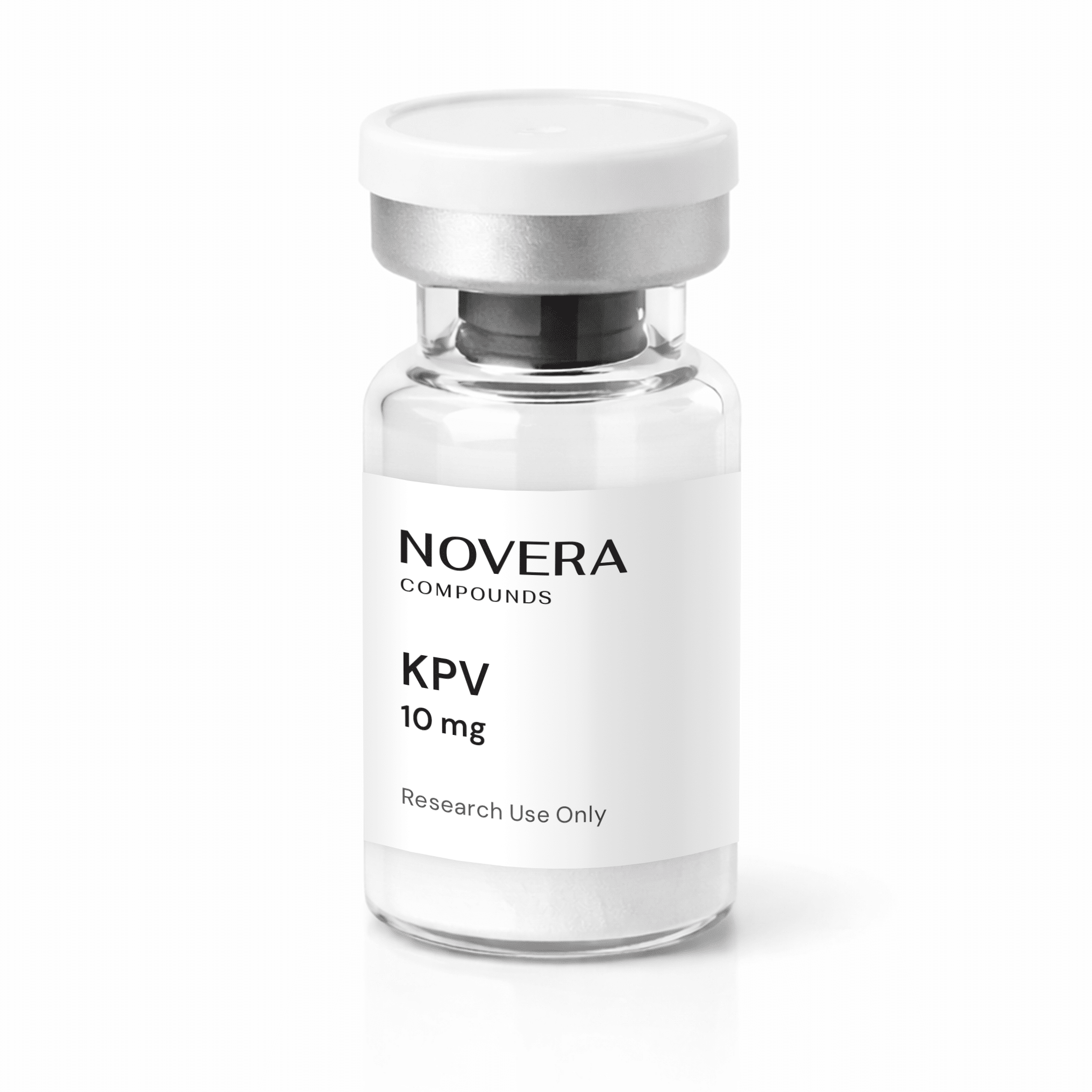
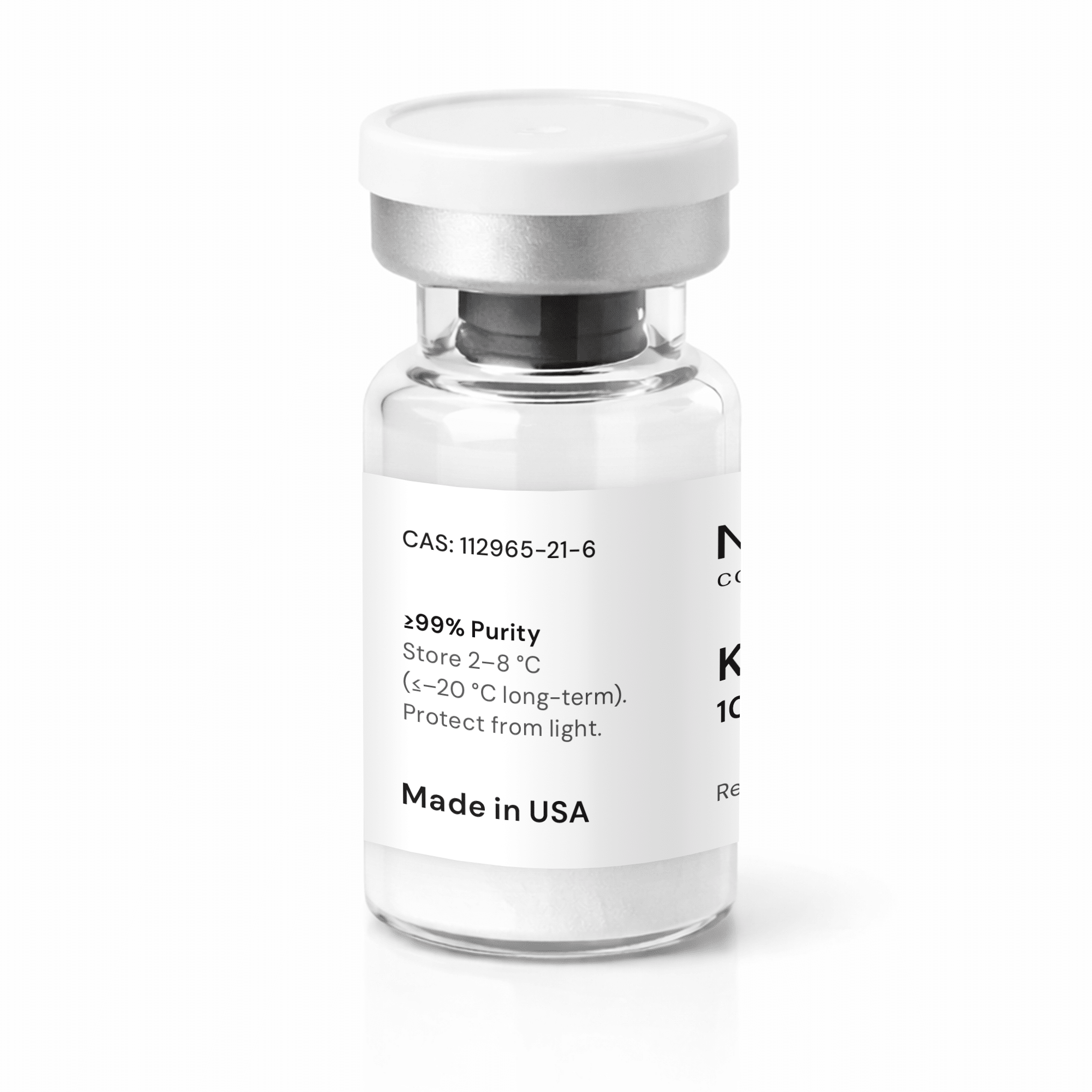
KPV (10mg)
Tier
| Packs | Discount (%) | For Each |
|---|---|---|
| 1 - 5 | — | $77.00 |
| 6 - 10 | 10.39 % | $69.00 |
| 11 - 20 | 19.48 % | $62.00 |
| 21+ | 27.27 % | $56.00 |
Product description
What is KPV (10mg)?
KPV (Lys-Pro-Val) is a synthetic tripeptide corresponding to positions 11–13 of α-melanocyte-stimulating hormone (α-MSH). It is studied in laboratory research for its potential interactions with inflammatory signaling pathways and cellular regulatory processes in experimental models. The peptide consists of three amino acids and has a molecular weight of 342.43 g/mol. Key identifiers include:- CAS Number: 67727-97-3
- Chemical Formula: C₁₆H₃₀N₄O₄
- Peptide Sequence: Lys-Pro-Val
- Synonyms: Lysine Proline Valine
What are the key features of KPV (10mg)?
KPV (10mg) is supplied as a lyophilized peptide powder in a sealed research vial. The freeze-dried format helps maintain peptide stability and allows researchers to prepare specific concentrations during experiments. High-quality peptide preparations are verified using standard analytical techniques to ensure reliability in research applications. Key features include:- Synthetic tripeptide fragment derived from α-MSH
- Supplied as a 10 mg lyophilized powder for laboratory reconstitution
- Typically manufactured with high purity (≥98% or ≥99% — confirm against CoA)
- Identity and purity confirmed using HPLC and mass spectrometry
- Research interest in inflammation, epithelial signaling, and tissue response
- For laboratory research use only
How is KPV (10mg) synthesized?
KPV (10mg) is produced via solid-phase peptide synthesis (SPPS), a standard method for synthesizing short peptide chains with precise amino acid sequences. In this process, the three amino acids (lysine, proline, and valine) are sequentially assembled on a solid support structure to form the final tripeptide. After synthesis, the peptide is purified by high-performance liquid chromatography (HPLC) to remove incomplete peptide fragments and chemical residues. Mass spectrometry (MS) is then used to verify the peptide’s molecular weight and structural integrity. These quality control procedures ensure that the peptide meets research-grade standards, providing consistent results for laboratory studies involving peptide signaling and cellular responses.What is KPV (10mg) being studied for? What are its possible benefits?
KPV has been investigated in a range of experimental studies focused on inflammatory processes and immune signaling. Research has examined how the peptide may influence cytokine production and inflammatory mediator activity in cell-based models and animal studies. Several areas of investigation include:- Intestinal inflammation and epithelial barrier function
- Immune cell signaling pathways involved in inflammation
- Skin inflammation and wound-related cellular responses
- Cellular processes associated with tissue repair and regeneration
How does KPV (10mg) work in research studies?
In laboratory experiments, KPV interacts with intracellular signaling pathways that regulate inflammation and immune responses. Studies suggest the peptide may influence cellular activity involved in inflammatory signaling cascades and cytokine production. Researchers often study KPV in epithelial and immune cells to observe how it affects inflammatory responses and cellular communication. Due to its small size, the peptide can be transported into cells through peptide transport systems that become more active during inflammatory states. By observing these processes in controlled experimental environments, scientists explore how peptide fragments derived from larger hormonal proteins contribute to cellular signaling networks related to inflammation and tissue homeostasis.What dosing information exists for KPV (10mg)?
Experimental dosing for KPV has been reported primarily in preclinical laboratory studies. In some cell-based models, concentrations around 100 μM have been used to evaluate changes in inflammatory signaling and cytokine activity. Animal studies investigating intestinal inflammation have also used concentrations designed to replicate the inflammatory signaling activity studied in α-MSH-derived peptides. These experiments measured markers such as cytokine levels, tissue inflammation, and cellular infiltration. The dosing conditions reported in these studies are specific to controlled laboratory models and research protocols. No established human dosing guidelines exist for KPV research peptides.How should KPV (10mg) be stored and handled?
Proper storage conditions help maintain peptide integrity and purity. Recommended guidelines include:- Store lyophilized peptide at ≤–20 °C in a dry, sealed environment
- Protect the vial from light and moisture
- Peptide integrity may vary depending on handling procedures and environmental exposure
- After reconstitution, store peptide solutions at 2–8 °C for short-term use
- Avoid repeated freeze-thaw cycles by aliquoting prepared solutions
Where can I read more research about KPV (10mg)?
The following publications provide background information on KPV and related peptide research:- Kannengiesser K, Maaser C, Heidemann J, et al. Melanocortin-derived tripeptide KPV has anti-inflammatory potential in murine models of inflammatory bowel disease. Inflamm Bowel Dis. 2008;14(3):324-331. doi:10.1002/ibd.20334
- Dalmasso G, Charrier-Hisamuddin L, Nguyen HT, Yan Y, Sitaraman S, Merlin D. PepT1-mediated tripeptide KPV uptake reduces intestinal inflammation. Gastroenterology. 2008;134(1):166-178. doi:10.1053/j.gastro.2007.10.026
- Xiao B, Xu Z, Viennois E, et al. Orally Targeted Delivery of Tripeptide KPV via Hyaluronic Acid-Functionalized Nanoparticles Efficiently Alleviates Ulcerative Colitis. Mol Ther. 2017;25(7):1628-1640. doi:10.1016/j.ymthe.2016.11.020
- Pawar K, Kolli CS, Rangari VK, Babu RJ. Transdermal Iontophoretic Delivery of Lysine-Proline-Valine (KPV) Peptide Across Microporated Human Skin. J Pharm Sci. 2017;106(7):1814-1820. doi:10.1016/j.xphs.2017.03.017
- Getting SJ, Schiöth HB, Perretti M. Dissection of the anti-inflammatory effect of the core and C-terminal (KPV) alpha-melanocyte-stimulating hormone peptides. J Pharmacol Exp Ther. 2003;306(2):631-637. doi:10.1124/jpet.103.051623
Compliance Statement
This product is intended for laboratory research use only and is not approved for human or veterinary use.Shop with Confidence: Product Authenticity is Guaranteed
All products available at Doctor Medica shop are obtained from respective manufacturers and contain original LOT numbers Contact us if you have any questions about product LOT numbers.


